
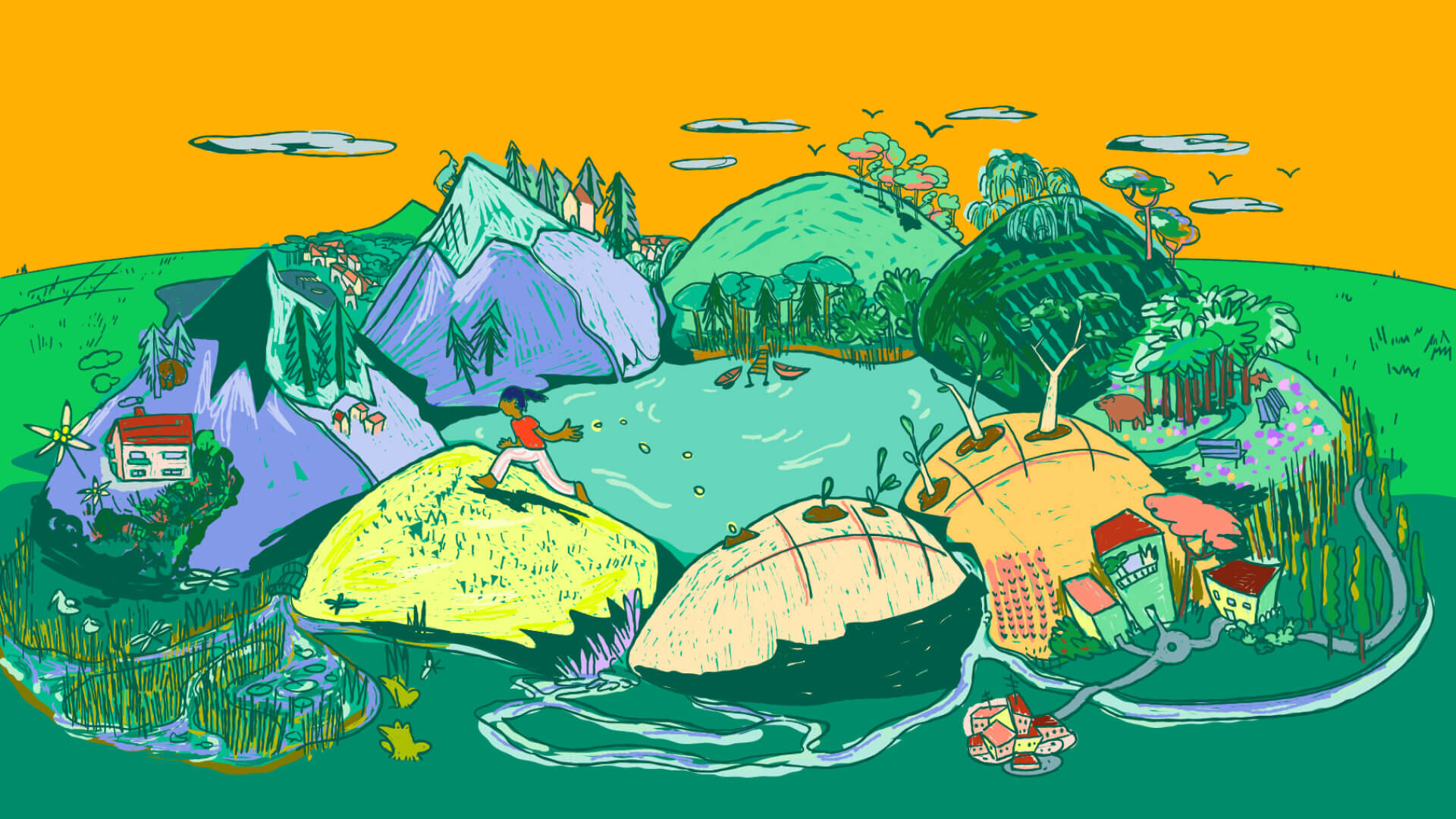
Why do we need forests?
Forests play a crucial role in fighting climate change and biodiversity loss by restoring ecosystems and absorbing global greenhouse gas emissions.
 1 hectare of forest makes 500 people breathe each year
 +40% CO2 emissions over the last 30 years
 -15°C in perceived temperature thanks to the shade and transpiration of trees
 -85% negative symptoms such as depression, anxiety and aggression by being in contact with nature
Why do we need to reforest?

Globally, it is estimated that 30 percent of the greenhouse gas emissions we produce are absorbed by forests. We also know that more than one-tenth of the world’s emissions come directly from deforestation. It was forests that made our air breathable. If we want to save our planet, we must focus on them. It is no longer enough to stop polluting or cutting down forests, we need to restore the ecosystems we have damaged.
As the population increases and is concentrated in urban areas, it increases both the demand for ecosystem services (clean air, water, beauty) and environmental risks (erosion, flooding, pollution, heat islands, etc.). This requires green and wooded areas, especially for urban populations. All this is resulting in a strong sensitivity to “planting trees.” The role of forests and new forestry for climate change mitigation must be considered from an ecosystem perspective. We cannot limit ourselves to planting trees; we need to lay the groundwork for the care and optimization of forest systems that will develop over time. We don’t just want to plant trees, we want to restore ecosystems.
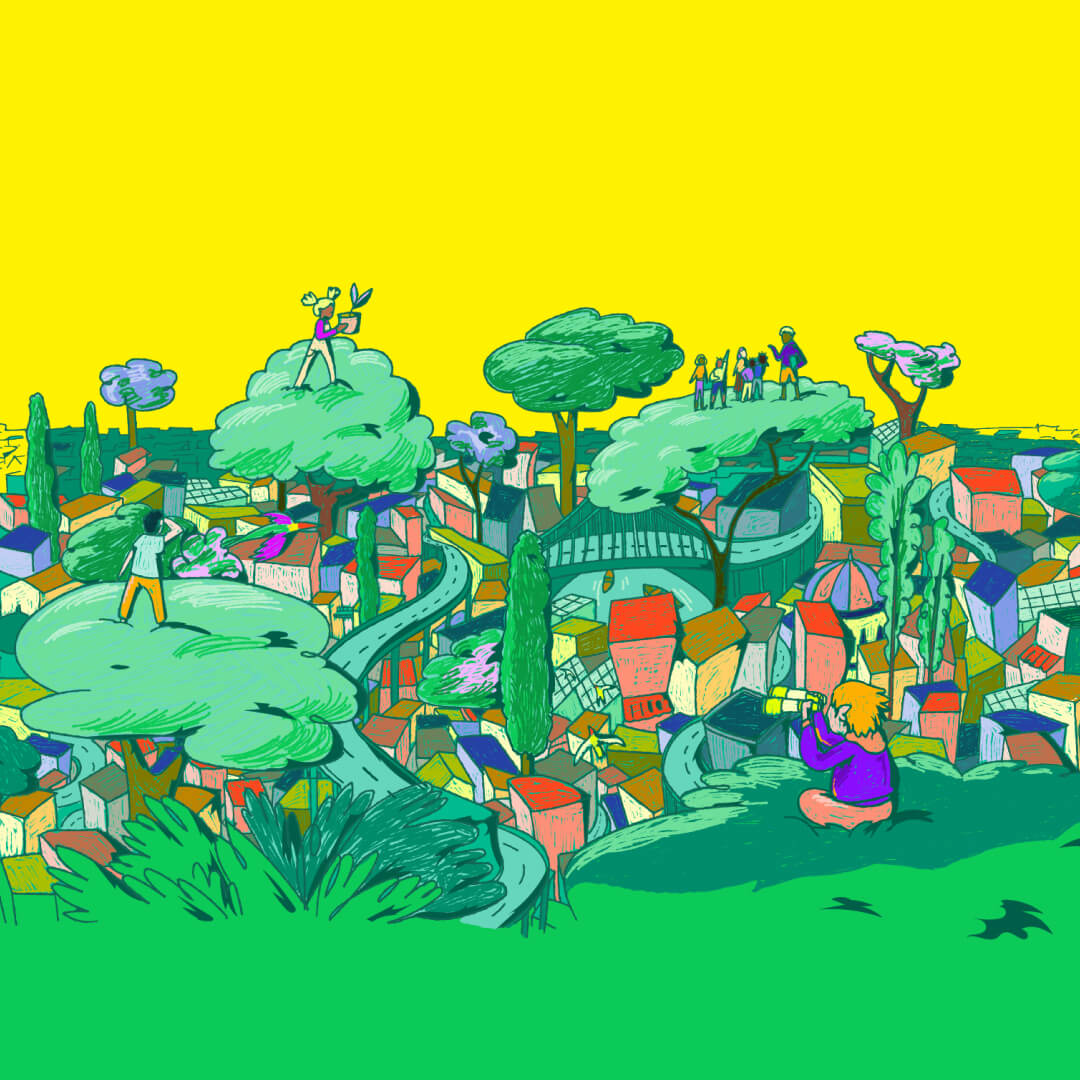
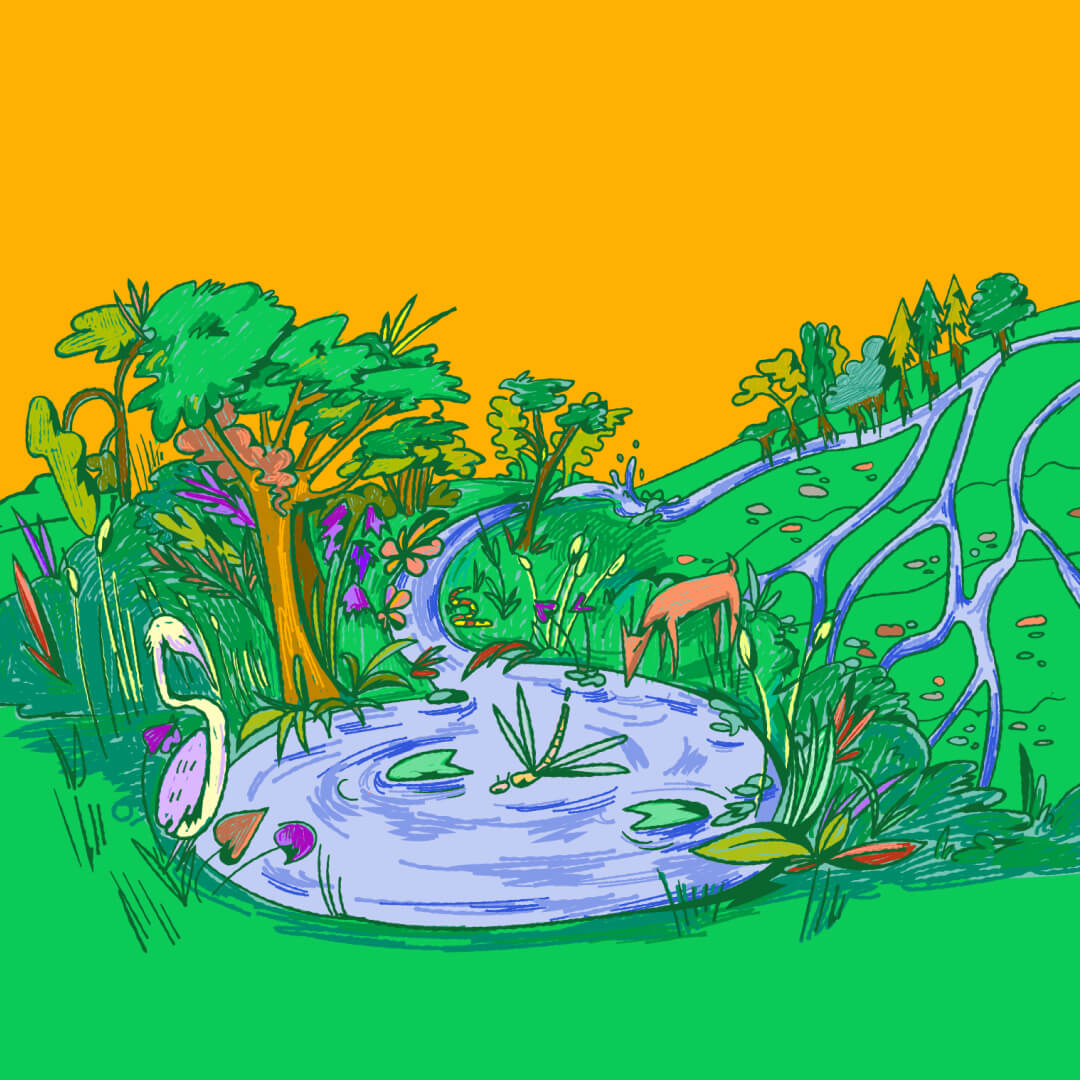
Our forest heritage is highly regionally structured, with the presence of many differentiated genetic groups adapted to highly heterogeneous environmental conditions. Ecosystem restoration comes from planting the right species, with the right genomes, in the right places. Having healthy forests and woodlands means improving our water cycle, recharging surface and groundwater, conserving the qualitative status of our water resources. But also much more. It’s about limiting floods, landslides, overflows, droughts.
Our commitment goes beyond tree planting. We recognize the intricate relationship between forests and climate change, advocating an ecosystem perspective.
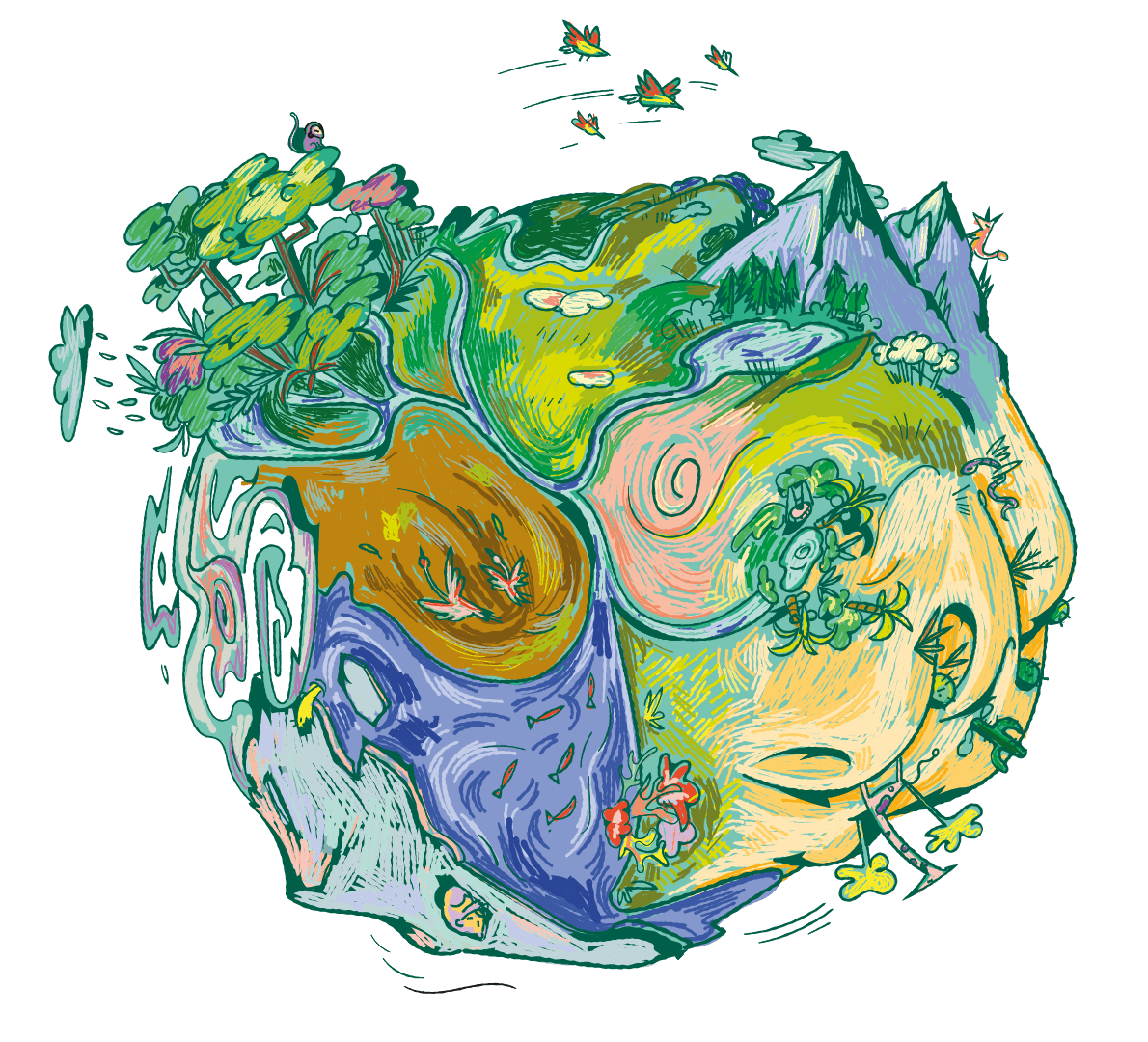
 Strategic planting for optimizing long-term forest developmentCareful selection of species with the right genetic makeup
Useful Resources
FAQs
How does our reforestation program work?
Our reforestation program targets communities, individuals, landowners or anyone who can identify a suitable area for reforestation. We know how exhausting it can be to dedicate yourself to such initiatives. Just make sure you have the basic information about the land you’ve identified: geolocation, acreage, ownership (private or public), current use, owners’ contacts, and other useful information to determine the most suitable approach for reforestation there. In case it’s close to one of our nurseries, we’ll be happy to supply you with the plants directly. Otherwise we will support you in requesting trees from the nearest regional nursery or in opening a new tree nursery together. Contact us at info@anonimariforestazioni.com and we’ll accompany you step by step!
Is it possible to purchase the trees?
Anonima welcomes all kinds of reforestation efforts, small or large scale, as long as they feature native species and local genomes. Sales, however, are not our style. We prefer to donate our plants and trees to anyone in need. Rather, we ask you to support us with a donation to maintain and build new nurseries, buy materials and grow plants.
How many trees can I request?
There is no minimum or maximum number! We will be happy to provide whatever you need, within the limits of our ready availability. For large-scale projects, it is best to write to us at info@anonimariforestazioni.com so that we can schedule species and quantities if they are not available.
What species to use?
The best guide is observation of the land you intend to reforest. Analyze your ecosystem to understand it. Identify and subtract alien plants, replicate native plants by paying attention to which species thrive in a given exposure or soil type. Try, fail, assimilate, learn and then replicate what works. Anonymous has a scientific technical committee that can support you at every stage of the project and help you determine the most effective strategy. Write to us at info@anonimariforestazioni.com and let’s outline the project together. In the meantime, Anonymous is developing reforestation guides specific to each type of ecosystem that will soon be available for free download from “Useful resources“.


